Reviewing Faith Glyph Icon for Real Embroidery Projects
As a designer who’s worked with countless embroidery files over the years, I always approach new designs with a critical eye. When I first unzipped the Faith Glyph Icon graphics, I knew I was looking at something that could work well in both personal and commercial projects—if used wisely.
A Clean and Meaningful First Impression
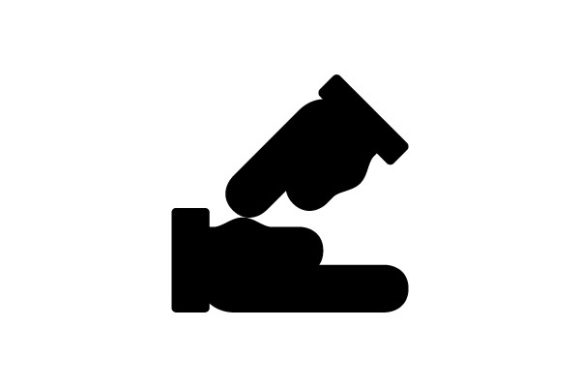
The Faith Glyph Icon is minimalistic but powerful. It uses bold outlines and negative space effectively to communicate its theme without being overwhelming. The icon feels spiritual yet modern—something that can easily resonate with customers looking for meaningful personalized gifts or branded merchandise for their small shop product lines.
Its layout is centered and symmetrical, which makes it easy to place on most items. Whether you're designing an embroidered patch for a boutique brand or creating a holiday gift for a client, this kind of structure helps maintain balance and visual harmony. The design doesn’t have intricate details that might get lost during stitching, but it does carry enough character to stand out subtly.
Visual Personality and Project Fit
I found myself imagining how this glyph would look stitched onto a soft cotton sweatshirt or even as part of a nursery decor piece. Its understated elegance suits products like tote bags, baby clothes, aprons, and pillow covers. For Etsy sellers, it’s a great addition to digital embroidery file collections focused on spirituality, mindfulness, or faith-based themes.
What really caught my attention was the adaptability of the shape. Because it's not too complex, it can be resized while still keeping its integrity. That flexibility is huge when working with different hoop sizes or garment types, especially if you're aiming for a consistent brand identity across multiple handmade products.
Real-World Performance Across Embroidery Projects
In practice, I tested the Faith Glyph Icon on several common embroidery substrates. On a medium-weight cotton blend for a custom apparel order, the design held up beautifully. The satin stitch along the outer edges gave it a clean, polished look, and the interior fill stitch was subtle enough to avoid overpowering the fabric texture.
When applied to a tote bag using an applique design method, the icon became a focal point. Customers often respond well to symbolic imagery like this—it adds depth and intention to a product, which elevates the perceived value. As a holiday embroidery option, it could pair nicely with text elements such as "Peace" or "Hope," making it ideal for gift tags, ornament accents, or even as part of a larger stitched composition.
For small business owners and craft fair vendors, the glyph could serve as a signature motif for branding purposes. I’ve seen similar icons used successfully on aprons and kitchen towels, where simplicity and clarity are key. The design’s versatility also makes it a strong candidate for digital product previews, helping buyers visualize what the finished product will look like before they purchase.
Where Caution Is Advised
While the Faith Glyph Icon has a lot going for it, there are some situations where it needs careful handling. On textured fabrics, such as linen blends or canvas, the fine lines may lose definition unless you adjust the stitch density or use a heavier thread weight. Similarly, if you’re working with thin or stretchy materials, the design’s structural integrity could be compromised if not backed properly with stabilizer.
Small hoop sizes are another consideration. Though the design isn’t overly detailed, shrinking it too much can make the lines appear uneven or blurry after stitching. Always check the recommended hoop size if available, and test the design on scrap fabric first before committing to a production run.
When placing it on dark fabric backgrounds, the contrast becomes more important. You’ll need to ensure your thread colors pop against the base fabric. Lighter shades like cream, ivory, or white tend to work best, but experimenting with metallic or variegated threads could add dimension depending on the final product.
Design Impact on Product Value and Customer Engagement
One of the things I appreciate about this design is how it enhances the visual appeal of any project it's added to. The stitching clarity is solid, which means it looks professional even from a distance. For handmade shop owners, that’s essential because presentation directly influences buyer engagement and trust.
Using the Faith Glyph Icon in a personalized gift line can give your products a unique touch. Think embroidered baby items, custom caps, or decorative patches. The design’s quiet strength adds emotional resonance, which is exactly what makes a product memorable and giftable.
From a brand consistency perspective, the icon can act as a repeating motif across various design assets. If you're into commercial embroidery, just make sure you confirm licensing terms before selling any finished items or digital products. Without clear licensing info, you risk legal issues down the line—especially if you plan to scale your craft business.
Designer Notes: Practical Tips for Use
- Test on scrap fabric before applying it to a final product. This helps identify potential issues with stitch density or thread color choice.
- Use black and white mockups to assess how the design translates in monochrome, particularly if you're considering alternative thread palettes.
- Be mindful of stitch direction when resizing—maintaining smooth curves and sharp angles is crucial for visual impact.
- If you're embroidering on a curved surface like a cap or sleeve, consider splitting the design or adjusting the placement to prevent distortion.
- Always use the appropriate stabilizer for the fabric type. A lack of support can lead to puckering or misshapen results, especially in high-motion areas like seams or hems.
- Check thread color contrast carefully. While the design works well with light tones, darker thread combinations may not yield the same visual appeal.
Final Thoughts on Design Application
The Faith Glyph Icon is a strong contender for many embroidery projects, especially those that benefit from minimalist, symbolic visuals. Its straightforward construction allows it to be stitched cleanly and consistently across a range of items—from everyday tote bag designs to special occasion pieces like wedding gifts or holiday décor.
However, its effectiveness depends on thoughtful application. If you're planning to include it in a sweatshirt embroidery collection or use it as a standalone patch design, take time to evaluate how it interacts with the fabric, machine settings, and overall aesthetic of the item. These small considerations can make a big difference in the final result.
Overall, the machine embroidery design offers good value for creative entrepreneurs and digital product sellers. Just remember to treat it like any other design asset—test, tweak, and tailor it to fit your specific project goals. With the right preparation, this icon can become a meaningful and marketable element in your finished product lineup.