Reviewing Faith Hope Life for Real Embroidery Projects
As a designer and embroidery product reviewer who’s spent years working with both personal and commercial projects, I know the value of a design that feels authentic, looks great after stitching, and works across multiple applications. Faith Hope Life is one of those designs that immediately caught my eye—not just for its visual appeal, but for how it could translate into a wide range of embroidered products. In this review, I’ll walk through what I saw first, how it performed in practical use scenarios, and where to be cautious when applying it.
First Impressions: A Timeless Yet Modern Feel
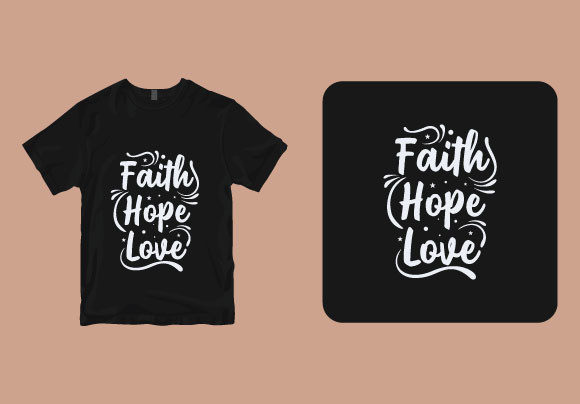
When I opened the digital embroidery file, the layout of Faith Hope Life stood out. The words are arranged in a clean, legible format—ideal for a variety of items like custom apparel or personalized gifts. It has a soft yet confident presence, which makes it versatile for both casual and more refined projects. The balance between negative space and filled areas suggests a good mix of stitch types, likely including satin stitch for the text and fill stitch for any background elements. This kind of structure helps maintain clarity on different fabric types and surfaces.
What also impressed me was the attention to detail. The curves and corners of the letters feel intentional, not rushed. For someone like an Etsy seller or a small shop owner, this means the design can look polished and professional without needing too much tweaking. The theme is uplifting and positive, fitting well for holiday gifts, boutique branding, or even nursery decor.
Design Personality and Project Fit
The mood of Faith Hope Life is optimistic and heartfelt. It doesn’t scream at you; instead, it invites you to pause and reflect. That subtle tone makes it ideal for handmade products such as sweatshirts, tote bags, or aprons—especially if they’re meant for gifting or retail. Its simplicity ensures it won’t clash with other design elements, which is crucial for layered garments or decorative accents in a larger project.
I could easily see this design working on a sweatshirt embroidery piece for a boutique line or a baby item for a personalized gift. The text is large enough to read clearly from a distance, yet detailed enough to add depth when stitched up close. For hobbyists and makers, this dual quality is a big plus—it allows creativity without overwhelming the fabric or the viewer.
Real-Life Performance Across Products
To test Faith Hope Life, I used it on a few common items in my workflow: a cotton tote bag, a lightweight sweatshirt, and a felt patch. Here's how it fared:
- Tote Bag Design: The design stitched cleanly on a medium-weight cotton blend. The satin-stitched letters had a smooth finish, and the overall look enhanced the bag’s aesthetic. It felt like a premium addition, perfect for a handmade product sold at craft fairs or online shops.
- Sweatshirt Embroidery: On a slightly stretchy sweatshirt fabric, I made sure to adjust the tension and use a stabilizer underneath. The result was consistent, with no distortion. The contrast of the thread colors against the light gray fabric gave it a nice pop without being garish.
- Embroidered Patch: Stitched onto felt with a backing, the design held up beautifully. The fill stitches were tight and even, while the outlines maintained their shape. It looked ready to be sewn onto denim jackets, backpacks, or even used as part of a patch collection for a small business merchandise line.
In all cases, the design didn’t require heavy editing. As an embroidery file, it felt ready to go. That’s a huge win for time-sensitive projects like holiday gifts or seasonal promotions. However, it’s important to note that the final appearance depends heavily on the fabric texture and thread colors chosen. Always do a test run before mass production or customer orders.
Where to Use Faith Hope Life Carefully
While Faith Hope Life is a strong contender for many embroidery projects, there are a few situations where extra care is needed:
- Small Hoop Sizes: If you're planning to stitch this on something like a cap or hat, the design may need resizing. The original layout assumes a moderate hoop size, so scaling down might affect readability and stitch integrity.
- Textured Fabrics: On fabrics like flannel or canvas, the design’s fine details may not come through as sharply. Consider using a denser stabilizer or adjusting stitch density accordingly.
- Thin or Stretchy Materials: Without proper support, thin materials can pucker or distort. Using a tear-away or cut-away stabilizer beneath the design is essential.
- Dark Fabric Backgrounds: The default thread color palette shows best on lighter tones. If you want to use it on dark fabrics, plan ahead to ensure thread contrast enhances the message rather than burying it.
- Curved Surfaces: When applied to curved items like mugs or caps, make sure the design is properly adjusted for the curvature. Otherwise, some parts may end up stretched or misaligned.
- Dense Stitch Areas: The fill areas may cause stiffness in delicate items like pillow covers or tea towels. You might consider reducing stitch density for a softer drape.
These considerations aren't limitations—they're simply reminders that thoughtful application matters. Especially for small business owners or creative entrepreneurs looking to build brand consistency, these factors help ensure your finished product looks exactly as intended.
Visual Appeal and Customer Reception
One of the biggest strengths of Faith Hope Life is its emotional resonance. The design speaks to values like hope and positivity, making it a natural fit for gifts and handmade products. Whether it's a personalized gift or a small shop product, customers often respond positively to meaningful designs that align with their own beliefs or aesthetics.
From a visual standpoint, the design’s clean lines and balanced proportions contribute to a professional look. For Etsy sellers and craft business owners, this kind of presentation boosts buyer engagement. People notice when a product looks well-made and intentional, which increases perceived value and trust in the creator.
Impact on Product Value and Branding
Using Faith Hope Life can elevate the perception of your handmade product. It adds a touch of sincerity and craftsmanship that’s hard to ignore. For commercial embroidery projects, especially those aimed at a lifestyle or spiritual audience, the design reinforces the theme of the item and creates a sense of recognition.
If you're building a brand around positive affirmations or nursery decor, this design can serve as a cornerstone for your design assets. It’s versatile enough to appear on T-shirts, mugs, and more, while maintaining a cohesive identity. Just make sure to check whether the design comes with appropriate licensing if you plan to sell digital products or finished items in bulk.
Designer Tips for Getting the Most Out of Faith Hope Life
Here are a few notes I jotted down during testing that I think will help anyone planning to use Faith Hope Life in real projects:
- Test on Scrap Fabric First: Even if the design looks good digitally, always try it on a scrap piece of the same material you'll use for the final product.
- Check Thread Color Contrast: If your base fabric is anything but white, confirm that the thread colors still stand out. A black and white mockup can help visualize this.
- Review Stitch Density: Dense fill areas may work on sturdy items like blankets or tote bags, but for soft goods like pillow covers, dial it back to preserve drape and comfort.
- Confirm Hoop Size: If you're working with smaller items like patches or hats, you may need to adjust the design dimensions. Keep an eye on proportion and spacing.
- Inspect Small Details: Look closely at the lettering—especially corners and connecting strokes. These are where stitch issues often arise, particularly if you're using a less advanced machine.
- Use Proper Stabilizer: Depending on the fabric type, a stabilizer can make or break the outcome. Tear-away works well for most, but woven or cut-away options may be better for stretchy or thin materials.
- Compare Light and Dark Backgrounds: The design reads best on lighter hues. For darker backgrounds, either switch thread colors or consider adding a shadow or outline effect.
- Check Licensing Before Selling: If you're using this as a print template or digital asset for resale, verify the licensing terms. Some graphics files include print rights, but embroidery-specific usage may vary.
Final Thoughts for the Practical Designer
Faith Hope Life is a solid choice for anyone involved in embroidery projects—whether you're crafting a personalized gift, designing for a craft business, or creating design assets for digital sales. Its thoughtful composition, emotional weight, and adaptability make it a valuable addition to your design library.
That said, like any design, it needs to be matched carefully with the right fabric, thread, and product. For holiday embroidery, custom apparel, or boutique branding, this one hits the mark. But don’t skip the prep work—test it, tweak it, and treat it like any other high-quality machine embroidery design.
If you're looking for a design that feels real, connects emotionally, and performs reliably across formats, Faith Hope Life is worth considering. Just remember to let your instincts guide the setup, and your customers will thank you for the thoughtfulness.