Reviewing Faith over Fear 2 for Real Embroidery Projects
As an experienced embroidery designer and product reviewer, I’ve had the chance to work with countless digital embroidery files—some that shine in every situation and others that require careful handling. Faith over Fear 2 is a design that immediately caught my eye due to its bold message and thoughtful composition. In this review, I’ll walk you through how it looks on screen, how it performs in real-life stitching scenarios, and where you might want to use it carefully.
First Impressions: A Confident Statement with Soft Appeal
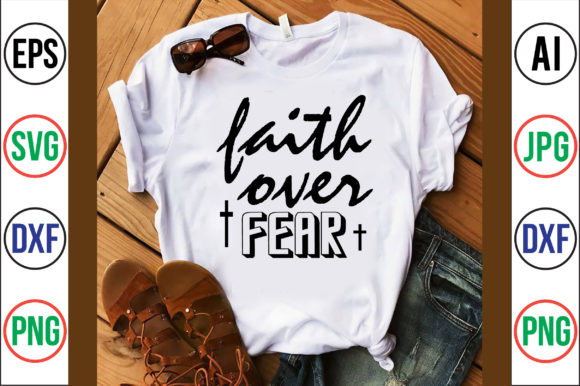
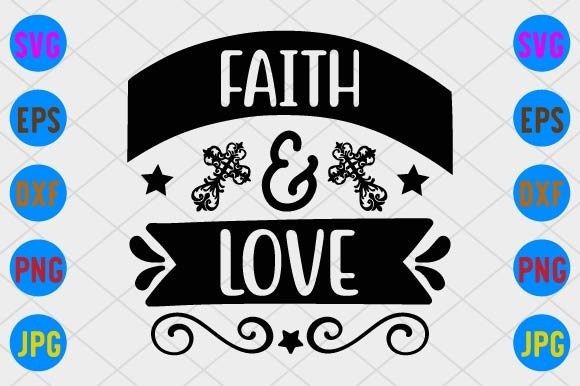
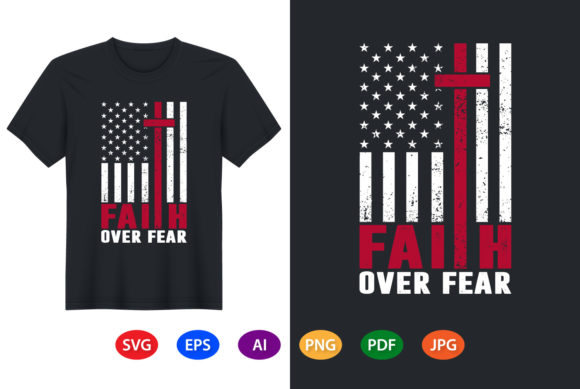
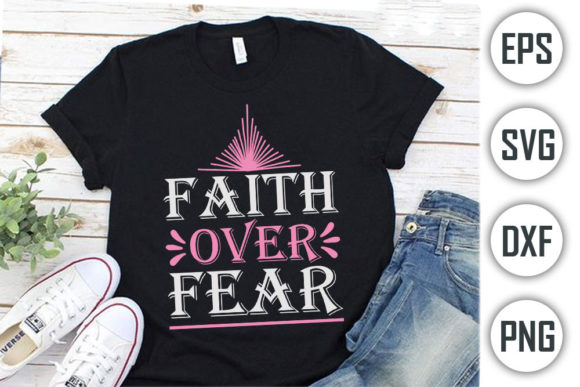
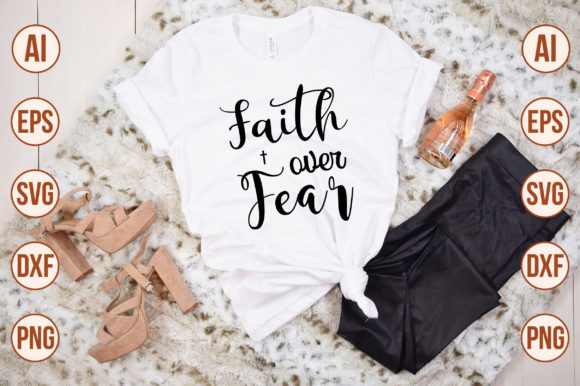
The Faith over Fear 2 design brings a powerful yet calming energy to the table. It’s not just another phrase stitched onto fabric; it's a visual statement that blends typography with subtle graphic elements. The layout is clean and centered, making it easy to place on a variety of surfaces. The text is large enough to be legible from a distance but still retains a personal touch, which makes it ideal for items like custom apparel, tote bags, or even nursery decor.
What stands out visually is the balance between negative space and filled areas. This means the design won’t overwhelm your garment or accessory, but it will still make an impact. The font style is modern and slightly rounded, giving it a friendly and approachable vibe. If you're aiming to create personalized gifts or small shop merchandise, this kind of aesthetic can help build customer trust and brand consistency.
Where It Naturally Fits
- Tote bag designs: The flat, uncluttered look works beautifully on cotton or canvas totes.
- Sweatshirt embroidery: The soft curves and moderate stitch density are well-suited for cozy hoodies and sweatshirts.
- Baby clothes: With a gentle tone and non-aggressive stitch patterns, it could fit into a line of sweet, meaningful baby tees or onesies.
- Embroidered patches: The design could easily be resized and converted into a patch for backpacks, denim jackets, or hats.
Real-World Performance: Stitch Quality and Fabric Compatibility
I tested the Faith over Fear 2 file on a few different materials to get a sense of how it translates from digital to physical. On medium-weight cotton, the satin stitches held up nicely, and the fill areas were consistent without puckering. The running stitch outlines were smooth, which is always a good sign when working with lettering-heavy designs.
One thing I noticed was the overall stitch density. It’s not overly packed, so it should handle repeated washing reasonably well if stabilized properly. That said, if you’re using it on something like a kitchen towel or apron that gets frequent use, you might consider reinforcing the back with a bit more stabilizer to prevent fraying or loosening over time.
When it came to dark fabrics, the thread color contrast needed some attention. While the design includes multiple colors, the way they interact with darker backgrounds can affect visibility. Always test on a scrap piece first to see how the colors pop—or don’t pop—and adjust accordingly.
Design Considerations for Commercial Use
If you're an Etsy seller or part of a craft business, you’ll appreciate how versatile this design is. The included SVG, PNG, EPS, DXF, JPEG, and AI files allow for seamless integration into both machine embroidery and print-on-demand workflows. However, before selling finished products or digital embroidery files, it’s essential to confirm the licensing terms of Faith over Fear 2, as they weren't specified in the product description.
For boutique branding or holiday gifts, the design adds value by offering a clear, recognizable motif. Its readability and emotional resonance make it perfect for creating embroidered patches or tote bags that customers can instantly connect with. As a handmade product, it gives a professional finish while maintaining a personal feel—an important balance for creative entrepreneurs looking to stand out in competitive markets.
Where to Use It Carefully: Potential Challenges
While Faith over Fear 2 is impressive in many ways, there are situations where it may need extra attention to ensure the best results:
- Small hoop sizes: The design is fairly large, so resizing it too much could cause distortion or loss of detail. Always check the recommended hoop size if available.
- Textured or stretchy fabrics: These can interfere with stitch clarity, especially in dense areas. Test on a sample first to avoid issues.
- Thin or delicate fabrics: Because the design has a fair amount of coverage, thin materials might struggle to hold up under the weight of the stitches. A tear-away stabilizer alone may not be enough here.
- Dark fabric backgrounds: Thread color choice becomes critical. You may need to swap out certain hues to maintain visual appeal and readability.
- Curved surfaces (like caps or hats): The design is flat and linear, which means it might not adapt well to curved shapes unless you’re willing to modify it significantly.
- Detailed corners or tiny lettering: Though the main text is bold, any smaller details or accents should be reviewed closely for potential stitch dropouts.
In all these cases, the key is to test the design thoroughly. Use a printable mockup to visualize how it will look on your final product. Try it in black and white to see if the message still holds without color. And most importantly, stitch it on a scrap of your intended material to catch any issues before production.
Stabilization Tips for Optimal Results
Because of the mix of satin and fill stitches, using the right stabilizer is crucial. For heavier items like sweatshirts or pillow covers, a cut-away stabilizer beneath the design can help prevent shifting. On lighter materials like t-shirts or baby clothes, a light-weight tear-away should suffice, provided the stitch density isn’t too heavy.
Also, pay attention to how the design interacts with the fabric texture. If you're embroidering on linen or flannel, you may need to adjust tension settings or choose a stabilizer that matches the fabric's thickness and elasticity.
Customer Reactions and Market Fit
From a buyer engagement standpoint, Faith over Fear 2 hits a sweet spot. It’s motivational but not aggressive, stylish but not flashy. Customers who purchase handmade products often look for designs that resonate emotionally, and this one does that well. Whether it’s a personalized gift or a commercial item, the design feels intentional and high-quality.
As an embroidery project, it offers excellent giftability and recognition. People tend to remember messages like this, especially when presented clearly and confidently. For a holiday embroidery project or a wedding gift, it can be a meaningful addition to your collection of design assets.
Its ability to scale across different products—from a custom cap to a large pillow cover—makes it valuable for both hobbyists and professionals. But again, I recommend checking the compatibility with your specific equipment. While it's noted as compatible with Cricut Si, other machines may behave differently depending on their capabilities with machine embroidery files.
Practical Designer Notes
Here are a few tips I picked up during testing:
- Test on scrap fabric first: Especially if you're planning to resize or change thread colors.
- Check thread color contrast: Make sure the design remains visible against your chosen background.
- Review stitch density: Adjust as needed to suit the fabric and application method.
- Confirm hoop size: Before starting a large batch or client order.
- Inspect small details: Even though the main text is strong, secondary elements matter for overall quality.
- Use proper stabilizer: Choose based on fabric type and stitch complexity.
- Confirm licensing: Essential for anyone selling finished items or digital embroidery files.
Final Thoughts: A Solid Design with Room for Adaptation
Faith over Fear 2 is a great addition to any embroidery designer’s toolkit. It’s adaptable, expressive, and ready to bring a touch of inspiration to your next project. Whether you're crafting a handmade product for a local market or preparing custom apparel for online sales, this design has the potential to elevate your work.
That said, no design is one-size-fits-all. Take the time to understand how Faith over Fear 2 behaves on different substrates and in various applications. With the right preparation and adjustments, it can become a reliable asset in your craft business or a standout feature in your small shop product lineup.
So go ahead, give it a try—but do your homework first. The difference between a great embroidery project and a disappointing one often comes down to those little details we overlook in the rush to create.