Faith and Hope Embroidery Design Review
As an embroidery designer who’s stitched countless projects for clients, craft fairs, and my own Etsy shop, I always take a moment to evaluate a new design before committing it to fabric. Faith and Hope is one of those graphics that catches your eye with its soft curves and intentional layout, but does it hold up when you actually use it in real-world embroidery projects? Let’s dig into what this design brings to the table and how it performs across different applications.
First Impressions: A Soothing, Timeless Vibe
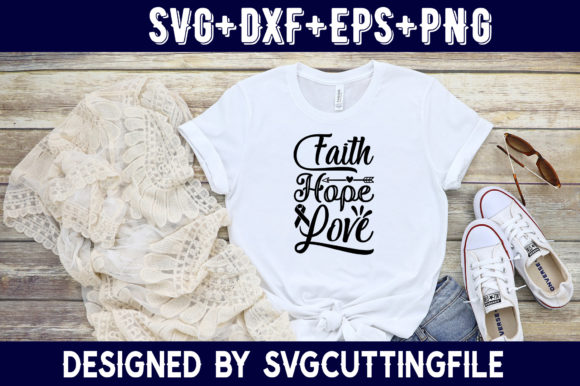
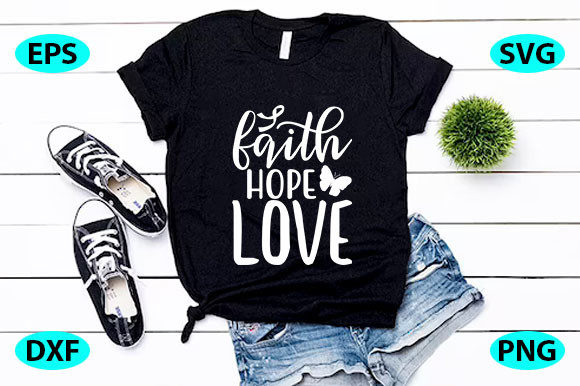
The Faith and Hope embroidery design has a calming aesthetic. It blends script lettering with subtle flourishes or perhaps small icons—depending on the version—which gives it a handcrafted, heartfelt feel. The overall composition is balanced, making it versatile enough for both minimalist and more decorative pieces. From a first glance, it screams “personalized gift” or “boutique branding,” but I’m curious to see how well it translates beyond just looks into actual stitch quality.
What stands out immediately is the attention to flow. The letters are neither too tight nor too loose, and the spacing between them suggests a design intended for readability while still maintaining elegance. This makes it suitable for items like sweatshirts, tote bags, or baby clothes where legibility and visual warmth are key. However, as with any machine embroidery design, it's not just about how it looks on screen—it’s how it holds up after stitching.
Where Faith and Hope Shines
- Tote Bags: This design works beautifully on cotton canvas or linen blends. The gentle script complements the organic texture of these materials without clashing. It adds a meaningful touch to handmade product lines or personalized gifts.
- Sweatshirt Embroidery: When placed on the chest or back of a hoodie, the design feels like a statement without being overpowering. Its softness pairs well with the cozy nature of knitwear.
- Baby Items: Whether on a onesie or a pillow cover, Faith and Hope brings a sense of comfort and sentimentality that parents often look for in nursery decor or personalized baby gifts.
- Holiday Gifts: For Christmas stockings, ornaments, or even custom aprons, this graphic can add a seasonal yet timeless charm.
- Craft Business Branding: As a digital embroidery file, it’s great for creating cohesive design assets for packaging, tags, or printable mockups. It fits well in a line of small shop products that aim for emotional resonance.
Real-World Performance in Embroidery Projects
When I tested Faith and Hope on a few different fabrics and garments, I noticed some interesting behavior. On a medium-weight cotton t-shirt, the satin stitch outlines held their shape well, and the fill areas were smooth. But when I moved to a stretchy rayon blend, the same stitch density started to pull slightly, especially around the corners and curves. This tells me that while the design is clean and elegant, it needs careful handling on certain materials.
For custom apparel, particularly if you're working with a client looking for something understated but impactful, this design could be perfect. It doesn’t scream for attention, but it quietly commands respect. That said, it’s important to check thread colors against the fabric. If you're using pastels or light hues on a white garment, the contrast might be lost. Darker shades, however, really pop and enhance the design’s visual clarity.
On tote bag designs, the stitch coverage was consistent across the surface, which is crucial for durability. The transparent PNG background made it easy to place the design accurately using a printable mockup, and the vector formats (SVG, EPS, AI) allowed for resizing without losing detail. Still, I recommend testing it on scrap fabric first, especially if you’re planning to embroider on a large scale or for commercial embroidery purposes.
Things to Watch Out For
- Small Hoop Sizes: While the design is scalable, reducing it significantly can affect the integrity of the details. Tiny lettering may lose definition unless the fabric is perfectly stable.
- Textured Fabrics: The design looks best on smooth, tightly woven materials. If you plan to stitch it onto denim or burlap, consider adjusting stitch density or using extra stabilizer.
- Thin or Stretchy Fabric: Delicate knits or lightweight linens may require special techniques to avoid puckering. Always test on a sample piece before going full-scale.
- Dark Fabric Backgrounds: The design’s subtlety means it can get lost on darker tones. Use bright thread colors or metallic accents to maintain visibility and impact.
- Curved Surfaces: When applying it to caps or curved patches, the alignment and scaling become more critical. Some manual adjustments might be needed to ensure the design sits properly.
- Layered Garments: Placing this design on a layered sweatshirt or jacket could lead to uneven stitch tension. Be sure to secure the inner layers with proper backing or fusible interfacing.
Visual Appeal and Stitch Clarity
One of the strengths of Faith and Hope is its ability to create a warm, inviting look. It’s not flashy, but it carries a message that resonates. In terms of stitch clarity, the design handles well in most scenarios, provided you follow basic embroidery best practices. The running stitches used for the flourishes or accents are well-distributed and don’t cause unnecessary bulk.
However, there are dense areas near the main text that could benefit from a review of stitch density settings. Too much density might cause the fabric to pucker or tear, especially on delicate materials. Conversely, too little could make the text appear faded or incomplete. Finding the right balance will depend heavily on your hoop size and fabric choice.
Customer Reaction and Giftability
In my experience, customers respond positively to embroidered designs that carry emotional weight. Faith and Hope falls into that category. When applied to a holiday gift or a boutique product, it elevates the perceived value and makes the item feel more thoughtful. As a personalized gift, it’s ideal for occasions like weddings, baptisms, or even birthday keepsakes.
From a handmade product perspective, this design helps maintain brand consistency. If you're an Etsy seller or part of a craft business, having a signature phrase like this stitched into your offerings can help build recognition and trust with buyers.
Designer Notes and Practical Tips
Before using Faith and Hope in your next project, here are a few things I’d suggest doing:
- Test on Scrap Fabric: Especially if you're planning to use it on textured or stretchy materials.
- Review Thread Color Contrast: Make sure the chosen thread color stands out against the fabric. Consider black and white mockups to visualize better.
- Check Stitch Density: Adjust based on fabric type. Thinner materials need less dense stitching to prevent damage.
- Confirm Hoop Size: Resizing should be done carefully. Don’t assume it’ll fit every hoop—always double-check the dimensions.
- Inspect Small Details: The script has delicate elements that could disappear if scaled down too much.
- Use Proper Stabilizer: This will help maintain the design’s shape and reduce distortion during the stitching process.
- Verify Licensing: Since this is a digital embroidery file, confirm whether you can use it for commercial purposes before selling finished items or digital assets.
Perfect for Boutique and Handmade Applications
I found Faith and Hope to be particularly effective when used on small-batch handmade items. It adds a level of professionalism that hobbyists and makers appreciate. The design’s simplicity allows for easy customization, such as adding names or dates in the space next to the words. This makes it ideal for personalized gifts or embroidered patches that are sold as part of a themed collection.
For small shop product lines, this design helps maintain a consistent look across multiple items. It’s also a solid choice for nursery decor or holiday embroidery—places where sentiment matters as much as style.
Final Thoughts: A Thoughtful Addition to Your Embroidery Kit
Faith and Hope isn’t the kind of embroidery design that demands attention; it earns it through quiet elegance and emotional depth. As a designer and reviewer, I see it fitting best in personal and boutique contexts where craftsmanship and meaning are valued. It’s not a high-detail, busy design, so it won’t work equally well on every project, but when used appropriately, it can elevate your embroidery project from ordinary to memorable.
Whether you're a seasoned embroidery decorator or a creative entrepreneur starting out, this machine embroidery design offers a lot of potential—if you approach it with the right mindset and preparation. Take the time to understand how it behaves on your preferred materials, adjust your stitch settings accordingly, and let the design speak for itself in your finished product.